
Denied Implants for Lack of Bone? Custom Subperiosteal Implants, 3D-Printed in Titanium, In-House.
If you were told you don't have enough bone for dental implants, you still have a fixed option. We design and print a custom titanium framework that rests on your bone, not inside it. No major grafting, no months of waiting.
A fixed implant that works without bone volume
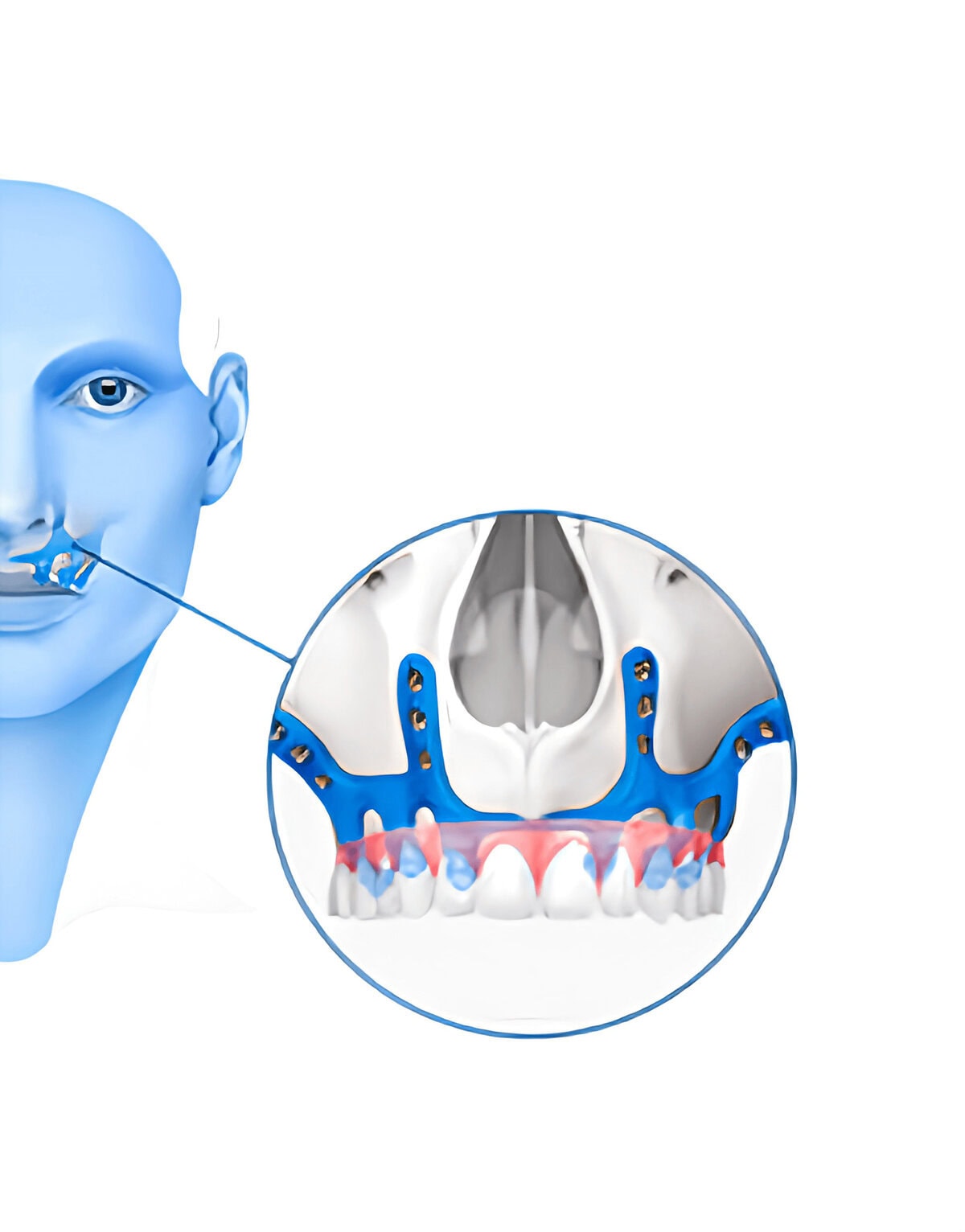
A subperiosteal implant is a thin titanium framework, custom-designed from your CT scan, that sits on top of the jawbone and under the gum. Fixed posts come through the gum to hold your new teeth permanently.
It is the solution for patients with advanced bone loss who were told that traditional implants, or even zygomatic implants, were not an option.
We print it ourselves, in titanium, in our own lab
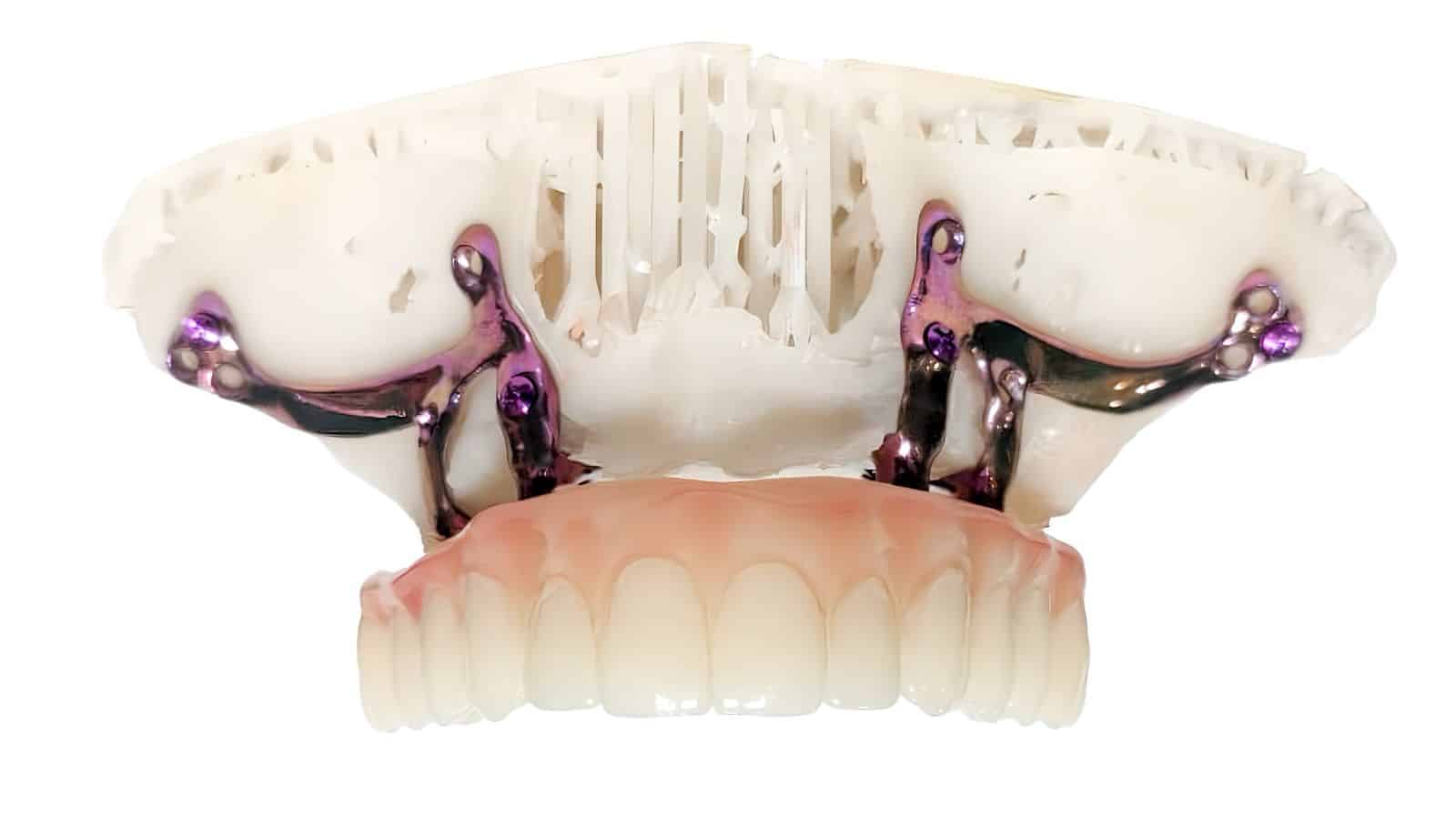
Very few clinics in the world make subperiosteal implants in-house. We do the whole process under one roof: 3D CBCT scan, digital design in Exocad, and printing on our own Riton titanium printer. Our maxillofacial surgeon leads placement.
The photo shows a real framework printed in our lab. This is not stock photography.
From CT scan to fixed teeth
Free specialist review of your CT scan
Send us your existing CT or we take a 3D CBCT scan here. Our team confirms if a subperiosteal implant is right for you.
Custom digital design
Your framework is designed in Exocad to match the exact anatomy of your jaw.
Titanium 3D printing, in-house
We print your implant in medical-grade titanium on our own Riton printer, in the same building where you are treated.
Placement by our maxillofacial surgeon
The framework is placed over the bone in one surgery, with fixed posts ready to support your new teeth.
Your fixed, permanent smile
Custom teeth are attached to the posts. You leave with a fixed smile and a clear aftercare plan.
When grafting is not the answer
Bone grafting works well for moderate bone loss, and we do it every week. But when loss is severe, grafts can mean multiple surgeries and up to a year of healing before implants can even be placed.
A subperiosteal implant skips that. It uses the bone you have today, so treatment is faster, with fewer surgeries.
Compare with traditional implants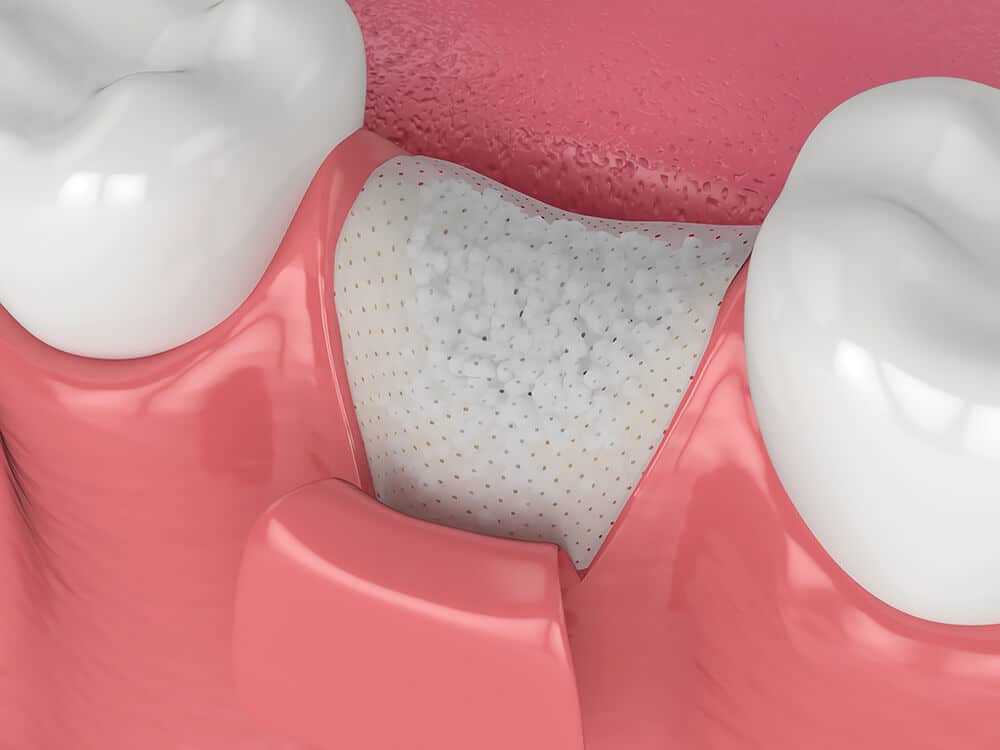
Subperiosteal implants FAQ
I was told I have no bone for implants. Can you really help?
In most cases of severe bone loss, yes. The subperiosteal framework rests on top of your bone, so it does not need the bone height or width that traditional implants require. It starts with a free review of your CT scan.
How is this different from All-on-4?
All-on-4 places implants inside the bone at strategic angles, and it is an excellent option when enough bone remains. When it doesn't, the subperiosteal framework is the fixed alternative.
Is it safe?
Subperiosteal implants have decades of clinical history, and modern 3D printing has made them far more precise. Your case is designed digitally from your CT and placed by a maxillofacial surgeon.
How long does treatment take?
Because there is no graft healing to wait for, treatment is typically completed in a fraction of the time of graft-based plans. Your advisor will give you an exact timeline after your scan review.
How much does it cost?
Every framework is custom, so pricing follows your CT evaluation. You will get a firm written quote before you travel. Payment plans are available based on your treatment plan.
Find out if you are a candidate
Send us your CT scan or book a free quote. We follow HIPAA guidelines for your records.